





Bitkingz Casino Login And The First Things To Check
A sign-in page looks simple until something small slows you down. In 2026, players in Canada usually want three things from this step: quick access, clear prompts, and no confusion about what happens next. That is why the smartest routine starts before you type anything. Check that you are on the correct account entry screen, confirm your saved details, and make sure your device is stable enough to finish the session without timing out halfway through.
Imagine you are opening your account during a lunch break. You have ten minutes, not thirty. Most people do best when they treat sign-in like a short checklist: details, security prompt if one appears, then a quick look at balance and account notices. This matters even more for adult players in Canada of legal age who want to stay within normal platform rules and responsible play tools.
How Bitkingz Login Fits Into A Normal Session
For most returning users, entry is only the first move in a longer chain: sign in, check wallet, pick a game, set a budget, and decide when to stop. When people skip that middle step and rush straight into play, they often miss useful details such as unfinished withdrawals, pending document requests, or an expired promotion.
Picture a player who logs in late at night after a long day. Instead of jumping into the lobby immediately, they pause for one minute and review the account area. That tiny pause often changes the session: they may lower a deposit amount, avoid chasing losses, or realize a timeout would be the better choice for that evening.
Getting Into Your Account Without Wasting Time
The most efficient sign-in process is usually boring, and that is a good thing. Save only the details you can protect, use one device you trust for regular access, and avoid changing multiple settings in one sitting. When every visit follows the same path, fewer errors appear and fewer recovery steps are needed.
If you switch between desktop and phone, keep your routine consistent. Use the same email, the same secure password practice, and the same order of actions each time. Players often create their own rhythm: open account, review balance, open limits, then enter the lobby. Small habits reduce friction.
Sign-In Steps That Usually Work Best
Start with a fresh page load, then enter your details slowly instead of pasting everything at once. Check whether the keyboard layout changed, especially on a laptop that switches language inputs. It sounds basic, but this single mistake causes many failed attempts.
Now imagine you are using hotel Wi-Fi and a password manager at the same time. One delay can make the page reload or reject a field. Usually players get through faster by simplifying the setup: one connection, one browser, one attempt made carefully instead of several rushed attempts.

What To Review Before Depositing Or Playing

Once you are inside, the right question is not "what should I play first?" but "what should I review first?" The best answer is usually your wallet, your limits, and your session intention. Are you topping up for a short break, testing a new game category, or planning a longer evening session? The platform experience feels more controlled when that decision comes early.
Players in Canada often benefit from setting a spending ceiling before choosing any title. This is especially useful because the excitement of a full lobby can distort judgment quickly. One clear amount, one timeframe, and one stop point do more for control than any advice written after the fact.
Consider a common scenario: you sign in after a previous losing session and want to "get it back." That is exactly when a review step matters most. Instead of acting on emotion, look at transaction history, check whether a withdrawal is already pending, and decide whether a short cooling-off break makes more sense than another deposit.
Banking And Cash-Out Basics For Canadian Players
Banking is where a lot of frustration begins. People focus on getting money in, but the smarter approach is to think about both directions before you fund the account. The best payment method is not just the fastest for deposit. It is the one that feels manageable for deposits, realistic for withdrawals, and easy to track in your own budget.
For Canadian players, the useful comparison is simple: speed, convenience, control, and how easily you can recognize the transaction later. Imagine you are about to deposit after payday. A method connected directly to your main spending account may feel convenient, but it can also make it easier to overextend. Many experienced players prefer a method that creates one extra pause before the funds go through.
Payment Option | What Players Usually Like | What To Watch Before Using It |
|---|---|---|
Bank card | Familiar process and quick access to funds | Check personal spending discipline and card limits |
Online banking transfer | Clear transaction trail and easy review later | Processing can vary by bank and session timing |
Digital wallet | Useful separation between play funds and daily money | Fees, account checks, or extra steps may apply |
Prepaid method | Strong budget control because spending is capped | Less flexible if you want one method for both directions |
How Players Usually Plan Their Limits
A budget works best when it is set before emotion enters the room. Decide how much you are prepared to spend, how long the session should last, and what outcome ends it - win, loss, or simply the time limit you set earlier. Picture someone who deposits for weekend play and says they will stop "when it feels right." In practice, that often means they stop only after frustration shows up.
When A Withdrawal Feels Slower Than Expected
A slower cash-out does not always mean something is wrong. Often there is a review step, a document check, or a mismatch between payment details. Suppose you requested a payout and then remembered your documents were never finished. Players usually handle this better when they gather the needed information once, submit it carefully, and wait for the status to update instead of changing details repeatedly.
If A Method Stops Working Mid-Session
Payment tools sometimes fail for ordinary reasons: bank blocks, temporary provider issues, expired cards, or mismatched details. The important thing is not to panic and start trying every option in a row. A better move is to step back and test one thing at a time. If you feel tilted because the deposit failed, that may be the perfect moment to stop for the day instead of forcing another attempt.
Mobile Play, Short Sessions, And Better Control
Mobile access changed how people gamble. Sessions are shorter, more frequent, and easier to start in moments that were never meant for focused play - public transport, a queue, a work break, or the last minutes before sleep. That convenience is real, but it also makes self-control more important.
If you play from a phone, think about environment before excitement. Are you rushing? Are you on unstable internet? Are you opening the account because you planned to, or because you are bored for five minutes? These questions sound small, yet they are often what separates a controlled session from an impulsive one.
Moving Between Desktop And Phone
Switching devices works best when your account habits stay identical across both screens. Use the same security logic, the same balance check, and the same limit review before you open any game. Imagine you start on desktop, then continue on your phone while heading out. That is the moment many users lose track of time and spending because the session no longer feels formal.
Timeout, Limits, And Cooling Off Tools
Responsible play features are most useful before a problem feels urgent. Deposit caps, session reminders, short breaks, and longer self-exclusion tools exist to interrupt momentum before momentum becomes harmful. Say you notice that every late-night session ends the same way: more spending than planned, followed by frustration the next morning. That pattern is exactly what timeout tools are for.
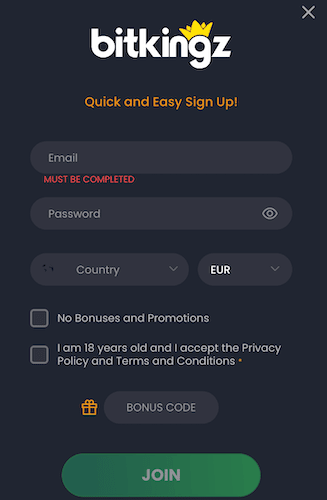
Support, Verification, And Recovering Access
Support becomes important when the normal path breaks. Maybe you forgot a password, changed a number, triggered too many failed attempts, or found a document request waiting in the account area. The fastest way through these situations is usually calm, complete information. Short, clear details beat emotional messages every time.
Verification should be treated as part of account maintenance, not as a surprise. When players keep personal details consistent and respond to checks early, the rest of the account experience tends to feel smoother. Picture a player who cannot access their account right before a planned weekend session. The worst response is to keep guessing passwords until the account locks harder.
When You Need Help Fast
If support is needed, write like someone who wants a solution, not an argument. State the issue, mention the device you used, describe the last action that worked, and list any on-screen notice exactly as it appeared. Players often save time when they include this information from the start instead of sending three separate messages that each tell half the story.
If Access Is Blocked After Too Many Attempts
Repeated failed entry attempts usually trigger a protective response, and that is normal. At that point, speed matters less than accuracy. Stop retrying, wait for the cooldown if one applies, and use the recovery path carefully with the details actually tied to the account. Usually the cleanest fix is to reset access once, confirm the account identifier, and only return to normal play after the account opens properly.